Naidu also said that India’s aviation growth was increasingly moving beyond major destinations and mere development of airports. The Udte Desh ke Aam Nagrik (UDAN) scheme has emerged as an engine of regional development and inclusive economic growth; benefiting farmers, exporters, businesses and communities. “In the last ten years, we invested around Rs 10,000 crore in airport development and Viability Gap Funding for the airlines. We are now taking this ambition to a new scale with unprecedented award of Rs 28,840 crore under the next phase of UDAN.”
India was simultaneously leading the next wave of aviation innovation through drones and eVTOLs (electric vertical takeoff and landing vehicle) while advancing reforms in sectors like Maintenance, Repair and Overhaul & Air Cargo.”
FTOs have gone up to 41
The Committee was also briefed on the reforms in the Flying Training Organisation (FTO) ecosystem to increase the availability of trained pilots while maintaining high standards of safety and training. “The FTO ecosystem has expanded from 32 FTOs in 2020 to 41 in 2026, while flying bases have increased from 32 to 63,” the release said. The FTO ranking framework has enabled the youth to take an informed decision when choosing the right school.
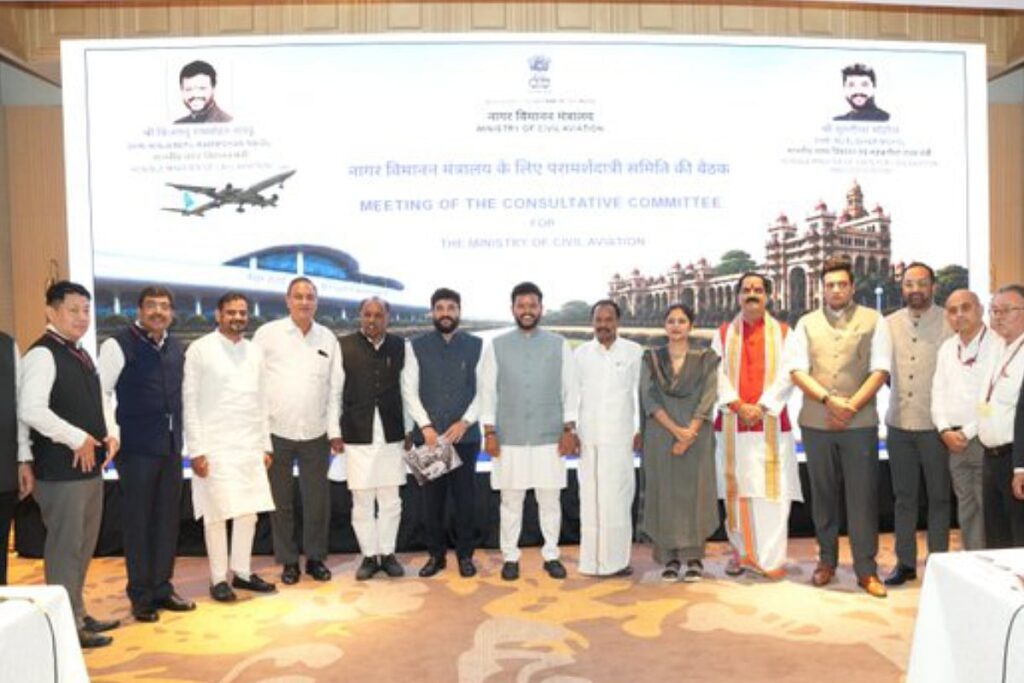
Minister of State for Civil Aviation Murlidhar Mohol, Civil Aviation Secretary, Samir Kumar Sinha, Director General of the Directorate General of Civil Aviation, ir Vikram Yadav, Chairman of the Airports Authority of India, Vipin Kumar; Director General of the Bureau of Civil Aviation Security, Rajesh Nirwan and MPs from different States including Mysuru MP Yaduveer Chamaraja Wadiyar attended the meet.