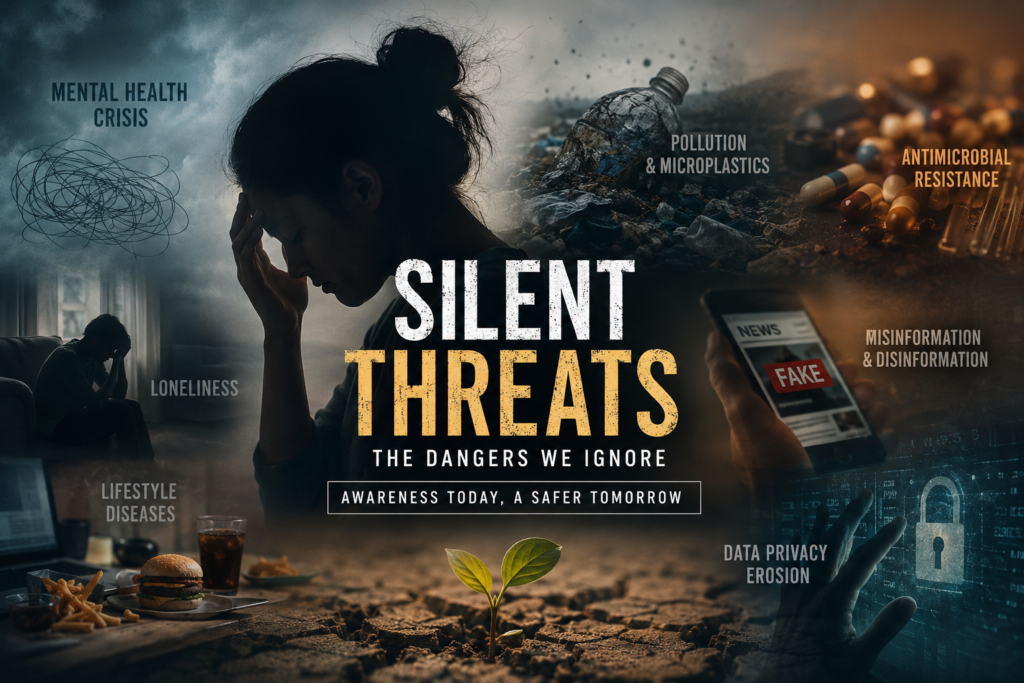
In a world saturated with information, where every major event screams for our attention, some of the most profound dangers lurk in the shadows, growing quietly, almost imperceptibly, until they erupt into full-blown crises. These are the silent threats – issues that, despite their pervasive impact, often go unnoticed, unaddressed, or are simply swept under the rug due to their insidious nature, lack of immediate drama, or the discomfort they provoke. It’s time we turn our collective gaze towards these stealthy adversaries, for their silence is their most potent weapon.
The Invisible Burden: Mental Health Crises
Perhaps one of the most prominent silent threats of our era is the escalating global mental health crisis. Conditions like depression, anxiety, burnout, and loneliness plague millions, yet often remain undiagnosed and untreated due to stigma, lack of awareness, and inadequate access to care. People suffer in silence, fearing judgment or misunderstanding, their invisible wounds eroding their quality of life, productivity, and relationships.
- Stigma: The deeply ingrained societal shame associated with mental illness prevents individuals from seeking help.
- Lack of Resources: Many regions lack sufficient mental health professionals, affordable therapy, or supportive community programs.
- Modern Pressures: The relentless pace of modern life, digital overload, economic uncertainties, and social isolation contribute significantly to mental distress.
The economic cost is staggering, but the human cost – the lost potential, the diminished joy, the fractured lives – is immeasurable.
The Creeping Crisis: Lifestyle-Related Chronic Diseases
Another profound silent threat is the global rise of preventable, lifestyle-related chronic diseases. Conditions such as Type 2 diabetes, cardiovascular disease, obesity, and certain cancers are often the result of prolonged unhealthy habits: sedentary lifestyles, poor nutrition, smoking, and excessive alcohol consumption. Unlike an acute infection or injury, these diseases develop gradually, often without alarming symptoms in their early stages.
- Gradual Onset: The slow progression allows unhealthy habits to solidify without immediate consequences.
- Normalized Unhealthy Choices: Fast food, processed snacks, and prolonged screen time have become normalized aspects of daily life.
- Lack of Awareness: Many individuals are unaware of the long-term impact of their daily choices until significant damage has been done.
These diseases burden healthcare systems, shorten lifespans, and drastically reduce the quality of life for those afflicted, yet their underlying causes are often ignored until it’s too late to reverse course easily.
Other Silent Threats Worth Noting:
- Antimicrobial Resistance (AMR): The growing inability of antibiotics to fight common infections, threatening to send us back to a pre-antibiotic era.
- Microplastic Pollution: Tiny plastic particles pervasive in our environment, food, and even our bodies, with largely unknown long-term health consequences.
- Misinformation & Disinformation: The deliberate spread of false narratives that erode trust, polarize societies, and undermine democratic processes.
- Data Privacy Erosion: The slow but steady loss of individual control over personal data, with implications for security, autonomy, and civil liberties.
Breaking the Silence: What Can Be Done?
Addressing silent threats requires a multifaceted approach that transcends individual effort and embraces collective responsibility:
- Awareness and Education: Shine a spotlight on these issues through public campaigns, school curricula, and media coverage. Understanding is the first step towards action.
- Destigmatization: Foster open conversations about mental health and other sensitive topics to create supportive environments where people feel safe to seek help.
- Policy and Regulation: Implement policies that support healthy lifestyles, protect data privacy, fund research into AMR, and combat misinformation.
- Accessible Resources: Ensure that mental health services, healthy food options, and accurate information are accessible and affordable for all.
- Individual Responsibility: Encourage personal accountability in lifestyle choices, critical thinking, and proactive health management.
The greatest danger of a silent threat is its ability to grow unchecked, becoming overwhelming before we fully grasp its presence. By acknowledging these insidious challenges and committing to proactive measures, we can transform passive concern into powerful change. Let’s break the silence and illuminate the path to a healthier, more resilient future.