The tariff threat comes as India has once again become heavily reliant on Russian crude, after sharply reducing its purchases at the beginning of the year amid US pressure and sanctions on Russian oil entities.
New Delhi: After the US House of Representatives passed broad-based legislation that would allow sanctions on Russia, including a 100% tariff on buyers of Russian crude, India on Thursday (September 17) said it would “take all necessary measures” to protect its interests, while reiterating that its sourcing decisions would be based on “evolving market dynamics”.
India said it was “monitoring further developments” after the House on Wednesday passed the Lindsey O. Graham Sanctioning Russia and Iran Act of 2026 by 262 votes to 159. The bill, which was passed by the Senate on August 7 by 86 votes to 11, now goes to US President Donald Trump for his signature.
It would give Trump the authority to impose tariffs of up to 100% on goods from countries that knowingly purchase Russian crude or natural gas and were among the five largest importers of those products from Russia in the preceding 12 months, subject to provisions and exemptions in the legislation.
The tariff threat comes as India has once again become heavily reliant on Russian crude, after sharply reducing its purchases at the beginning of the year amid US pressure and sanctions on Russian oil entities.
“As stated on several earlier occasions, India remains firmly committed to ensuring energy security for its 1.4 billion people,” the Ministry of External Affairs said in a statement on Thursday. “It will continue to do so through diversified sourcing and on the basis of evolving market dynamics.”
The issue, New Delhi said, had been discussed “at high levels in recent months” with various US interlocutors. “Its potential implications for not just the bilateral relationship but also the international energy market have been very clearly articulated by the Indian side,” it said.
“The Indian side has also made clear its determination to take all necessary measures to protect its trade and economic interests,” the MEA said. “Government will work closely with Indian trade and industry bodies to deal with the implications of these developments.”
Indian government officials have repeatedly invoked “market dynamics” when facing criticism over India’s crude buying from critics in the West, as well as, used this as a veil when there is a downturn in Russian crude purchases due to geopolitical constraints.
In July 2025, when NATO Secretary General Mark Rutte warned that India could face secondary sanctions over Russian oil purchases, MEA spokesperson Randhir Jaiswal said India’s energy needs were guided by “what is on offer in the markets” and “the prevailing global circumstances”.
And in December, foreign secretary Vikram Misri said Indian refiners, as publicly listed companies with “fiduciary responsibilities”, made decisions “on the basis of evolving market dynamics” and the “commercial issues that they confront”, rather than purely political directives.
The extent of those shifts in buying Russian crude is starkly shown by Kpler data, which noted that India’s imports averaging about 1.18 million barrels per day in the first half of January, well below India’s average of about 1.7 million bpd in 2025.
Reuters reported that January imports fell for a second consecutive month amid mounting Western sanctions and US-India trade negotiations, while Reliance Industries did not purchase Russian crude that month.
Indian refiners increased purchases from other sources, including the Gulf, while Kpler identified US crude as the main beneficiary of the diversification and Venezuelan crude as another source of additional supply.
Even then, Russia remained India’s largest source of crude in February, with imports averaging about 1.1 million bpd through February 27, or roughly 21% of total crude imports.
West Asia war’s impact on India’s crude imports
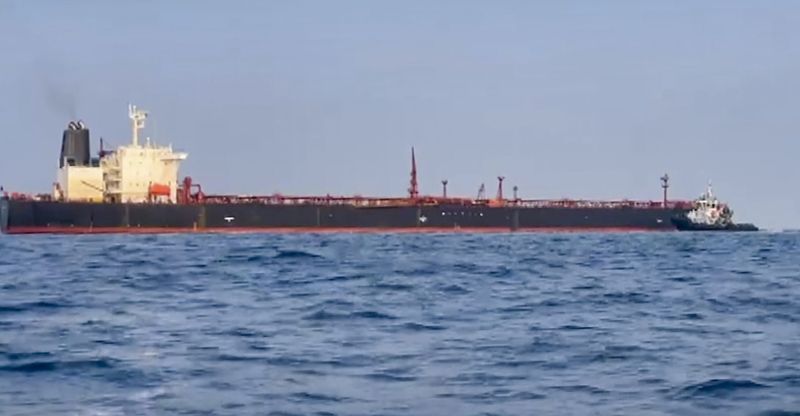
The picture changed dramatically after the US and Israel launched strikes on Iran on February 28, with the resulting conflict disrupting energy supplies and shipping through the Strait of Hormuz. As supplies from traditional West Asian sources came under pressure, Indian refiners sharply increased purchases of Russian crude.
Russian oil imports reached a record 2.71 million bpd in June. Kpler’s figures put Russian crude at more than half of India’s total imports that month, compared with 36.5 percent in May, as refiners turned to Russian barrels to offset the disruption around the Strait of Hormuz.
The import data for the last three months show how quickly that increase subsequently reversed. After the June record, Russian crude imports rose to a fresh high of 2.82 million bpd in July before falling to 2.08 million bpd in August.
The Helsinki-based think tank Centre for Research on Energy and Clean Air similarly estimated that India’s Russian crude imports fell 24 percent month-on-month in August, although India remained the second-largest buyer of Russian fossil fuels that month, with imports worth 4.8 billion euros, including 4.1 billion euros in crude.
The August decline was attributed to reduced Russian export availability, Ukrainian attacks on Russian oil infrastructure, increased competition from China and US political pressure, according to recent assessments. Russia nevertheless remained India’s largest supplier, while the decline opened space for alternative sources including Venezuela, Brazil, the UAE, Iraq, Angola and Nigeria.
That decline may also prove temporary as disruptions to other supply routes may again make India turn to Moscow. The closure of Saudi Arabia’s East-West pipeline has further reduced routing options for Indian refiners, while crude prices have risen sharply. The Indian crude basket was at US$126.88 a barrel on September 16, according to the Petroleum Planning & Analysis Cell, after breaching US$100 last week.
Kpler analyst Sumit Ritolia said Indian refiners were likely to diversify further across Russia, the US, West Africa and Latin America, while Russian crude would remain important because barrels routed through the Black Sea and Baltic offer an alternative when Middle Eastern supply routes are disrupted.
This article went live on September seventeenth, two thousand twenty six, at fifty-three minutes past twelve at noon.
The Wire is now on WhatsApp. Follow our channel for sharp analysis and opinions on the latest developments.